- EAD is responsible for environmental impact and dose assessment for radiological and chemical contaminants, studies on modelling of contaminant transport and dispersion in atmosphere and coastal waters; R&D on Decision Support Systems for nuclear and chemical emergencies; monitoring of air quality, water quality, radon/thoron and soils; real-time monitoring of air-borne activity using Environmental Radiation detectors and isotope monitors , studies on radionuclide transfer factors in marine and terrestrial environment; dose assessment for marine biota; Monitoring of meteorological parameters, waves and currents and providing forecast guidance on cyclones and extreme waves. Further, EAD is responsible for uninterrupted TLD personnel monitoring services to all the active facilities of IGCAR, need based biodosimetry services using dicentric, CBMN, and FISH-based translocation assays, and development of methodologies for retrospective dose estimation using physical and biological dosimetry techniques. EAD also focuses on R&D activities pertaining to low dose effects of ionizing radiation, new biomarkers for rapid dose assessment, and the development of new dosimetry materials, tools and methodologies for reliable and accurate dose estimation during normal operating conditions and emergencies.
EAD comprises two sections i) Environmental Assessment Section ‘EnAS’ and ii) Radiation Dosimetry Section ‘RDS’.
- Services:
- Project Services :
- Periodic analysis of sea water samples from 2MGD Desalination Plant
- Periodic analysis of meteorological parameters for public dose assessment
- Periodic analysis of air and water quality parameters for environmental impact purposes
- Providing uninterrupted TLD personnel monitoring services to all active facilities of IGCAR, NDRF battalion at Arakonam and BARC facilities at Kalpakkam
- Participation in national and international intercomparison exercises like EURADOS to maintain the quality and reliability of dose measurements using TLD badges
- Providing biodosimetry services to occupational workers using dicentric assay
- Participation of internal quality assurance tests and external inter lab comparison as and when required by the biodosimetry facility
- R&D:
- Radiological Impact Assessment for the operating and upcoming facilities and related software development
- Modelling of transport and dispersion of contaminants in atmosphere and coastal waters
- Modeling of transport of radioactivity in sub-surface media (rocks and soils)
- Meteorological Observations and boundary layer studies
- Costal hydrodynamics and distribution of radionuclides
- Costal hydrodynamics and distribution of radionuclides
- Establishment of real-time monitoring of air-borne activity through Env.Gamma Dose Monitors
- Design and development of Decision Support Systems for nuclear and chemical emergencies
- Numerical modeling of Cyclones, Storm Surge, Tsunami for early warning
- Assessment of environmental parameters and radionuclides in air, water, soil/ sediment and marie biota
- Geomorphology and geochemistry of soil and sediment
- Studies on Radon, Thoron gas diffusion and assessment in Indoor and outdoor environment
- Studies on radionuclide transfer factor in marine, inland and terrestrial environment and food chain
- Uncertainty evaluation of radiation measurements using statistical methods
- Seasonal beach dynamics and shoreline changes
- RS/GIS based spatial data generation and environmental assessments.
- Interchangeable use of LINAC and Co-60 dicentric dose response curve for dose assessment
- Dependence of dose and dose rate on yield of chromosomal aberrations (dicentrics and translocations)
- Identification and quantification of clinical biomarkers like methemoglobin for radiation dose assessment
- Development of retrospective dosimetric techniques using commonly available materials like electronic components, biomaterials like nails, tooth enamel, hair etc and other personal objects using TL, OSL and EPR
- Role of Non Homologous End Joining (NHEJ) repair pathway using dicentric chromosome and translocations formations in cells exposed to ionizing radiation
- Identification of fortuitous dosimeters for assessment of dose during emergencies
- Project Services :
- Mandate of EnAS
- Radiological impact assessment of operating and upcoming facilities
- Modelling of transport and dispersion of radionuclides, gases and aerosols in atmosphere and coastal waters
- Design of Decision Support Systems for nuclear and chemical emergencies.
- Radioactivity transport in hydro-geological medium.
- Meteorological measurements and characterization
- Modeling of Cyclones, Storm Surge, Waves for site forecast guidance
- Establishment of real-time monitoring of air-borne activity through Env.Gamma Dose Monitors
- Periodic monitoring of water quality for environmental parameters and radioactivity
- Continuous monitoring of Air Quality at Kalpakkam site
- Periodic monitoring and dose assessment for marine biota
- Radionuclide Transfer Factor studies in marine, inland and terrestrial environment
- Seasonal beach dynamics and shoreline changes
- Costal hydrodynamics and distribution of radionuclides
- Geomorphology and geochemistry of soil and sediment
- Indoor and outdoor Radon and Thoron monitoring
- Mandate of RDS
- Providing uninterrupted radiation dosimetry services (TLD personnel monitoring & biodosimetry) to all radiation workers
- Development of retrospective dosimetric techniques based on TL, OSL, EPR and biodosimetry assays.
- Development of chemical dosimeters based on EPR technique, radchromic films and gel dosimeters for high dose estimations
- Development of new TL and OSL materials for dosimetry applications
- Development of new biomarkers / fortuitous dosimetres for rapid assessment of dose for triage during radiological/nuclear emergencies
- Setting up of a library for the group at main building
- BRNS Sponsored Round Robin Exercise conducted in collaboration with 15 national institutes for Atmospheric flow field modelling and validation for Kalpakkam Site
- ONERS 2.0 in common framework for different NPP sites, operationally implemented for Kalpakkam site and installed at NREMC-AERB.
- DAE Group Achievement Award received for 2016 for Development of Decision Support System
- Technology on Autonomous Gamma Dose Logger (AGDL) transferred for commercial development
- Nucleonix Researcher’s Award -2015,ISRP
- Best Paper Award in iRAD-2018, LAMSYS-2018, InTropmet-2019 and Tropmet-2020
- Radioactivity Transport & Dispersion modelling in the Environment
- Radiological Impact Assessment, related Software development
- Software for Decision Support for Nuclear/ Chemical Emergencies
- Forecast guidance for extreme weather (Cyclones, Storm surge and Waves) using numerical models
- Physico-chemical and radiological assessment analysis of environmental samples
- Assessment of marine environment from radiological aspects
- Radon and Thoron measurements
- Beach dynamics, radionuclide transfer and movement in marine environment
- Multivariate Statistical analysis and uncertainty analysis
- TLD personnel monitoring
- Retrospective dosimetry studies
- Biodosimetry studies
- Polymer synthesis and characterization
- TL/OSL phosphor developments
- Dosimeters for high dose estimation
Environmental Assessment Section ‘EnAS’
Atmospheric Modelling Lab at EnAS provides impact assessment for radiological and chemical contaminants, focussed studies on modelling of contaminant transport and dispersion in atmosphere, coastal waters and sub-surface media, R&D on Decision Support Systems for nuclear and chemical emergencies. EnAS has established real-time Environmental Radiation monitoring network and isotope monitors for assessing air-borne activity. Environmental monitoring lab has established micro-air quality stations, monitors air quality, water quality, radon/thoron and soils. It pursues studies on radionuclide transfer factors in marine and terrestrial environment, dose assessment for marine biota and monitoring of meteorological parameters, waves and currents and provides forecast guidance on cyclones and extreme waves of Kalpakkam site
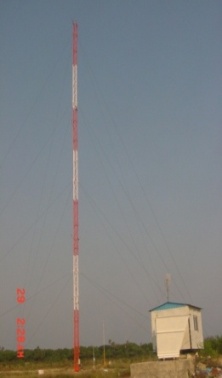
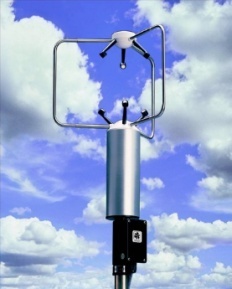
Meteorological Facility with multi-level meteorological masts, Doppler SODAR, Sonic Anemometer for measurement of mean meteorological parameters and turbulent wind components for Atmospheric and Dispersion Studies
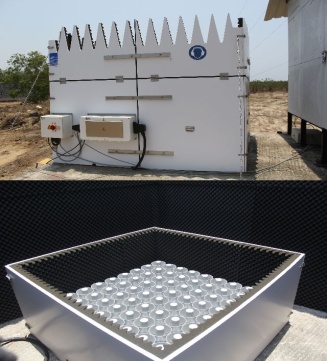
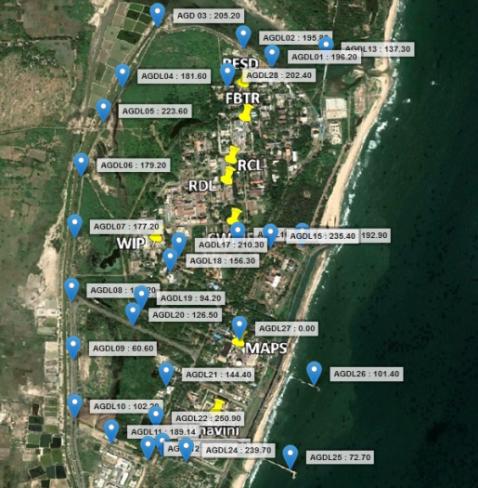
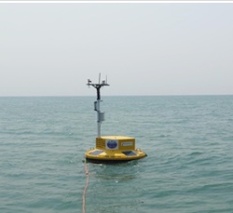
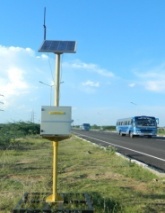
Environmental Radiation monitor (AGDL) network along with Data Buoy - for radiation surveillance and for real-time radiation field measurement input for source term estimation , event detection in the Online Nuclear Emergency Decision Support System
Online Isotope Monitoring system with dedicated detectors (PIPS, NaI, HPGE) for detecting alpha, beta and gamma radiations and detection of radioactive aerosols such as I, Cs and noble gases such as Xe and Kr in the event of any emergency. Provides real time data on radioactivity concentrations for improved source term estimation in Decision Support System
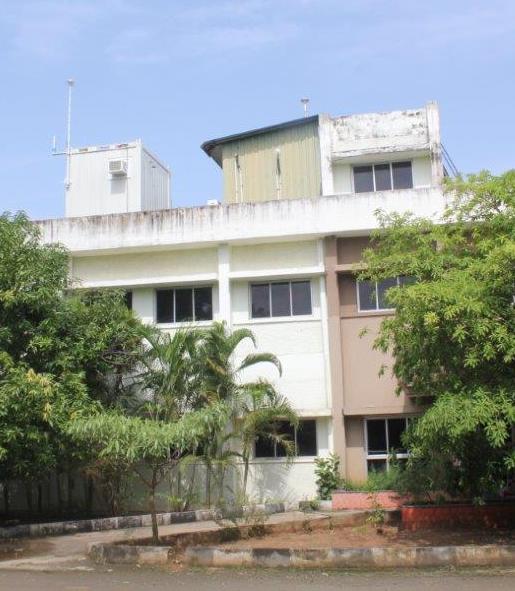
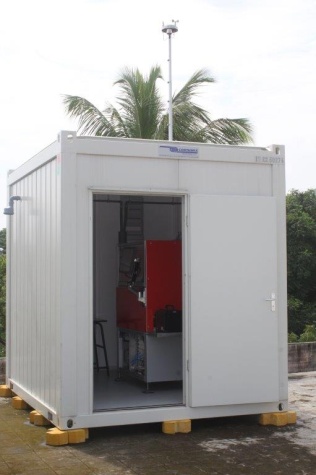
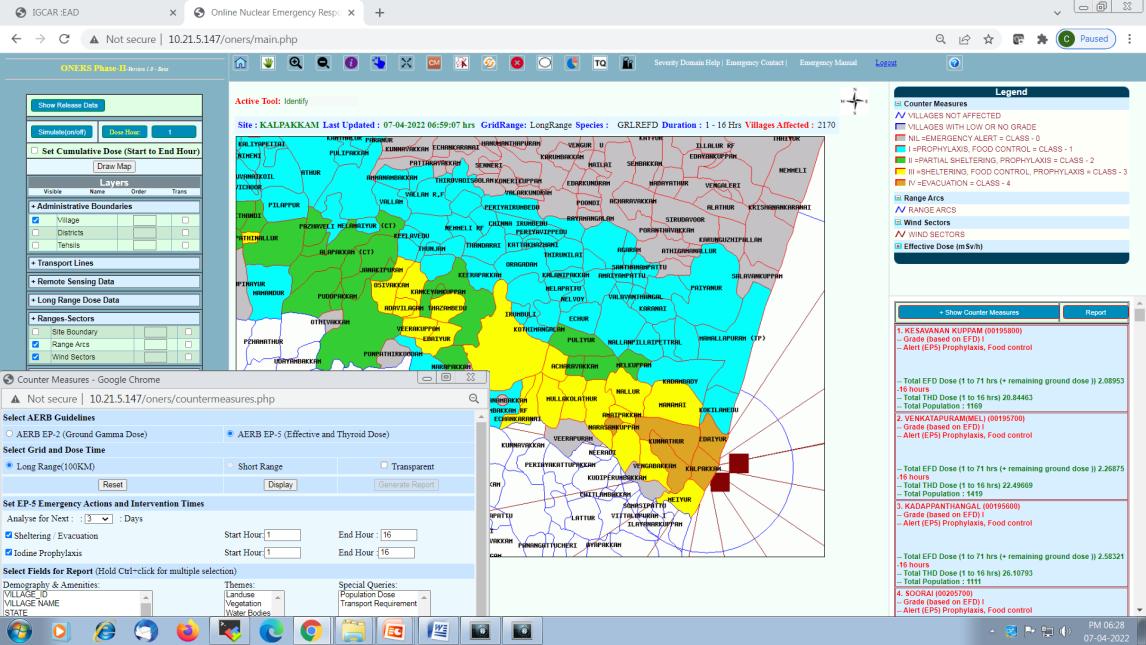
Online Nuclear Emergency Response System (ONERS) - A near real-time Decision Support System developed in association with NRSC for the prediction of radioactivity dispersion and dose projection based on numerical weather prediction , dispersion models, sensor data and accident source terms . Gives prompt suggestion of protective actions for mitigation in the public domain
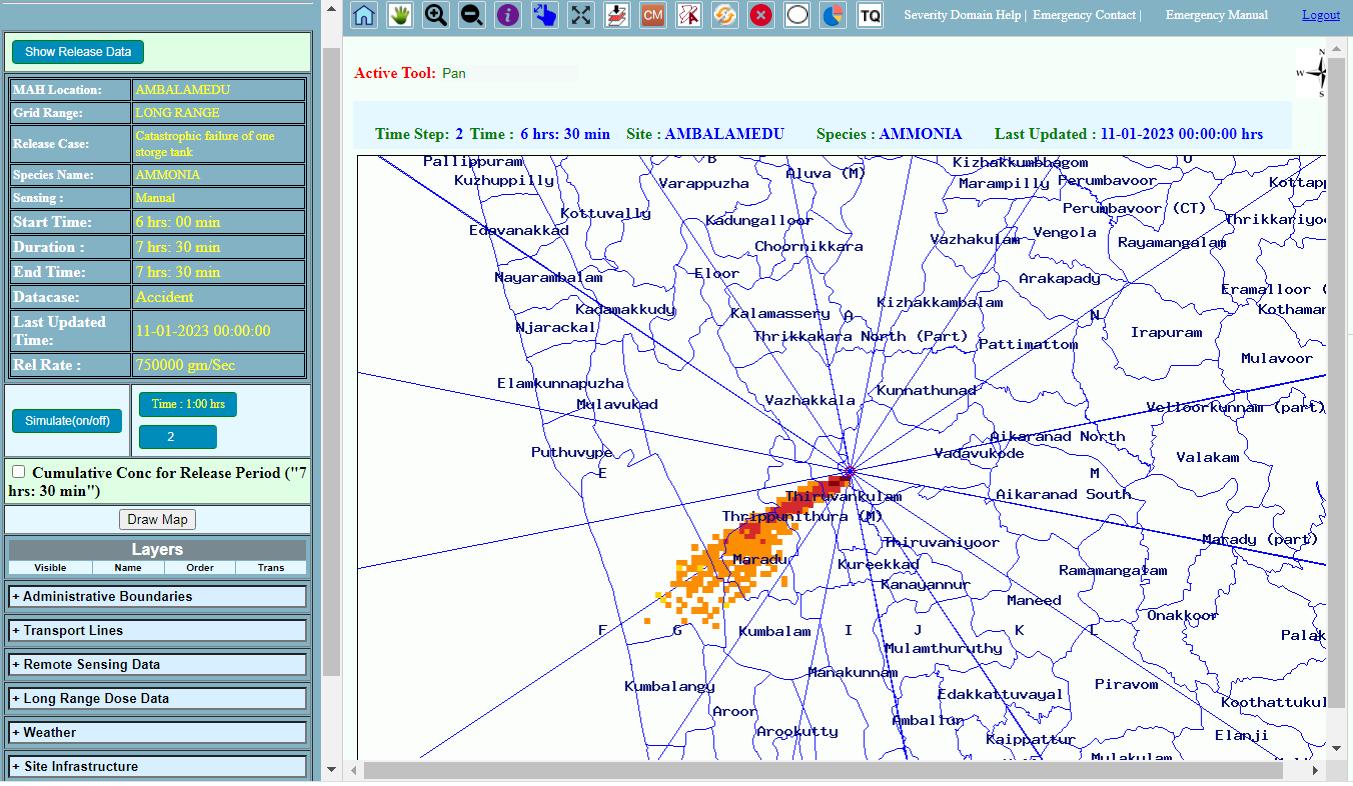
Remote Sensing Enabled Chemical Emergency Response System (ROCERS) developed in association with NRSC and FAB-Kerala for decision support during chemical /toxic gas releases at industrial sites . Detects accidents using chemical sensor data and Predicts chemical gas concentrations and suggests protection actions for mitigation in the public domain
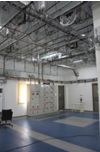
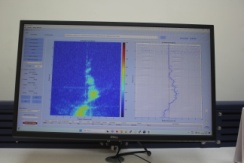
Polarimetric C-Band Doppler Weather Radar for monitoring Cyclones, Storms and clouds in a range of 450 km around Kalpakkam nuclear site for early warning and disaster management. Provides valuable information on cloud hydrometeors for understanding the microphysical processes towards predicting convective storms and Cyclones
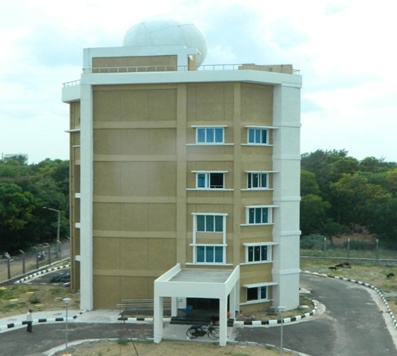
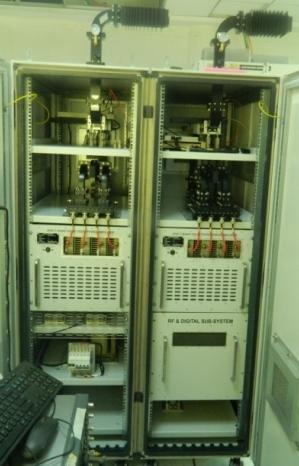
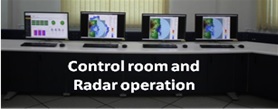
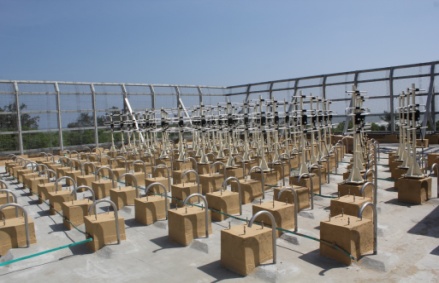
200 MHz Mid-Tropospheric Wind Profiler Radar. Provides continuous profiles of horizontal and vertical winds upto a height of 12 km - unique observations in the tropical stations for the study of wind field, convection, waves , turbulence and inputs for numerical weather prediction and for prediction of radionuclide dispersion in the event of explosions/elevated releases.
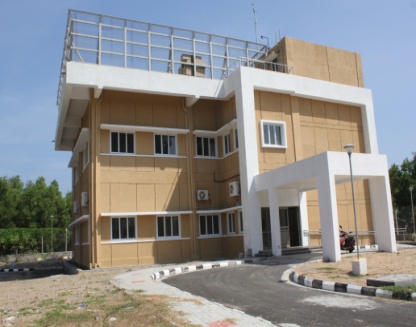
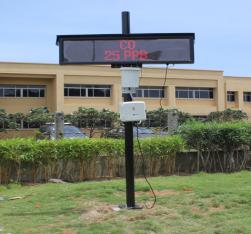
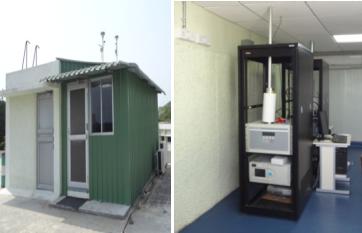
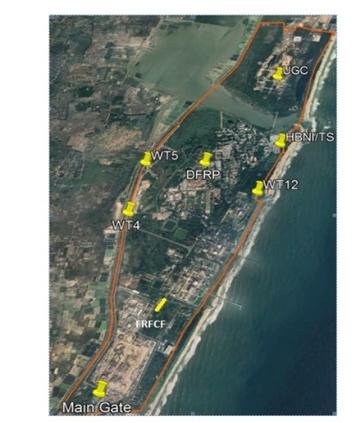
Ambient Air Quality Measurement Network : Real-time Air Quality parameter (PM10,PM2.5, SO2, NO2, and CO ) monitoring using micro-air quality stations around the DAE site for compliance to CPCB and seasonal/ annual variations .
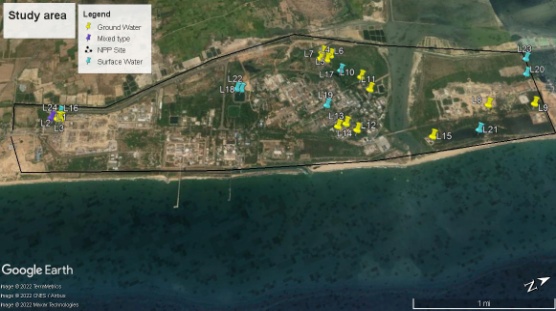
Water Quality Monitoring : Assessment of Water Quality parameters (Physical/Chemical) from surface and ground water sources as per BIS standards
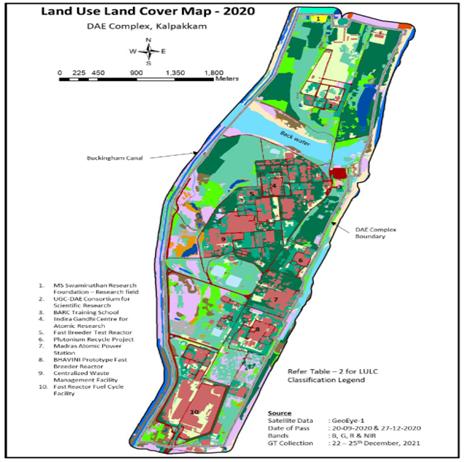
Green Cover Mapping : Land Use /Land cover analysis of Kalpakkam site for green vegetation assessment and change detection using high resolution satellite remote sensing and field survey
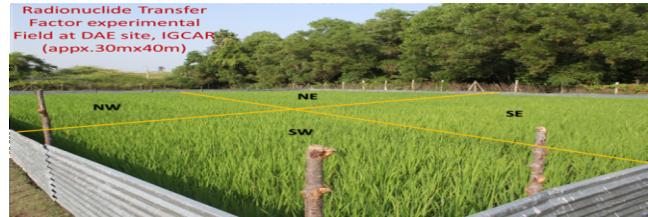
Transfer factor experiments: Experiments at Kalpakkam site for Site-specific radionuclide transfer factors through terrestrial route (Soil, grass, rice, vegetables, pulses, and milk samples) as per IAEA guidelines for application in environment models for public dose assessment.
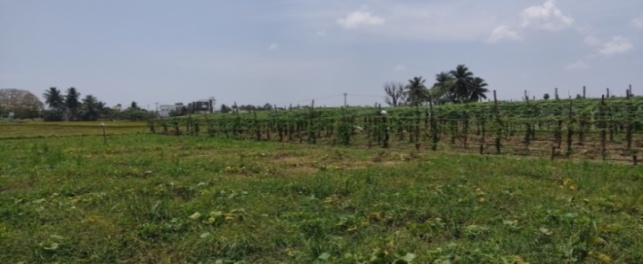
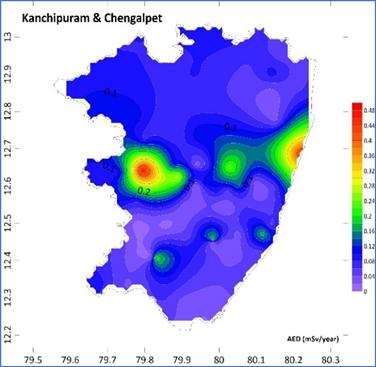
Natural radioactivity measurement in soils from different districts in Tamilnadu and mapping to identify different radiation zones /areas for baseline information.
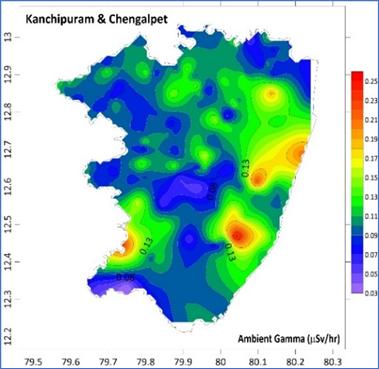
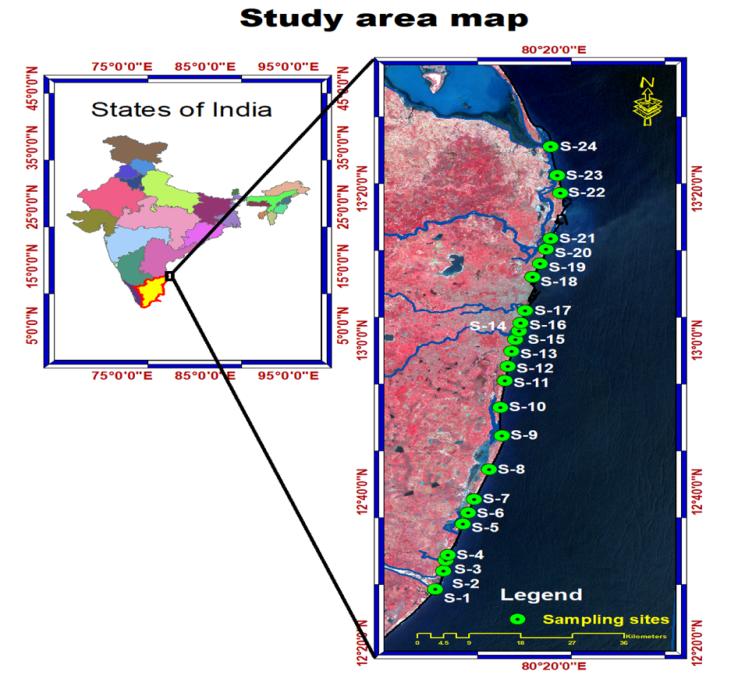
Measurement of ambient dose, primordial radionuclides (232Th, 238U, and 40K) in the coastal sediments and radiation mapping along the northeast coast of Tamil Nadu
Radiation Dosimetry Section ‘RDS’
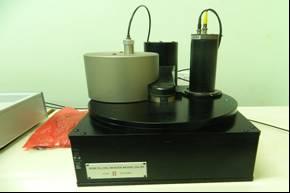
TLD Lab at EAD, IGCAR is accredited by BARC and it provides uninterrupted Personnel monitoring services to all active facilities of IGCAR. Approximately 1200 radiation workers are being monitored on a monthly basis with an addition of extra 700 in each quarter. The lab participates in the national and EURADOS international intercomparison exercises and the performance is found to be satisfactory.
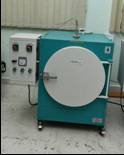
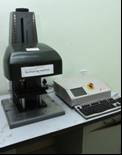
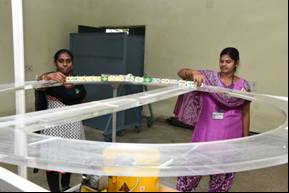
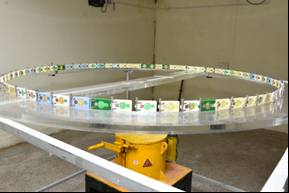
Comprehensive retrospective dosimetry facility
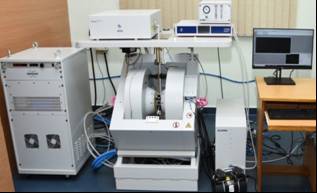
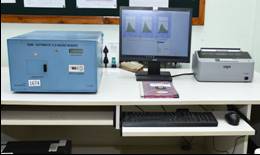
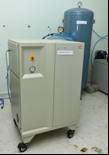
A comprehensive retrospective dosimetry facility comprising of both physical (Electron paramagnetic Resonance, Thermally stimulated luminescence & optically stimulated luminescence) and biological dosimetry systems. Methodologies have been developed for retrospective dose estimation from irradiated construction materials, electronic components, RFID chips and biomaterials like dental enamel, finger nails etc